Cisco Meraki CW9172I Wi-Fi 7 Enterprise Access Point in Uganda
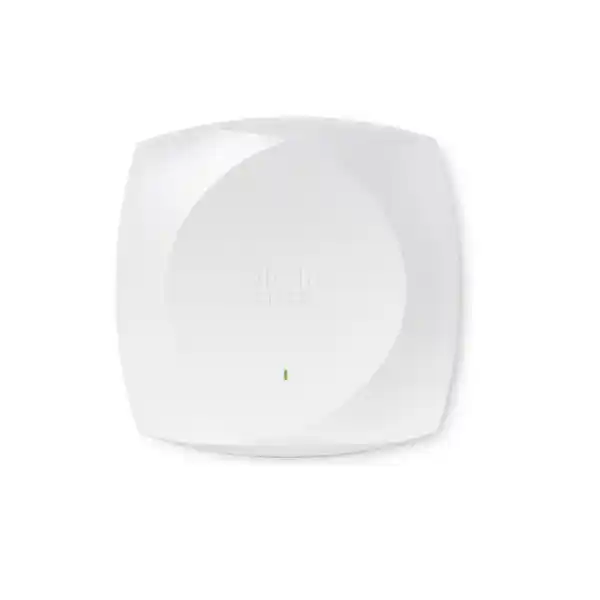
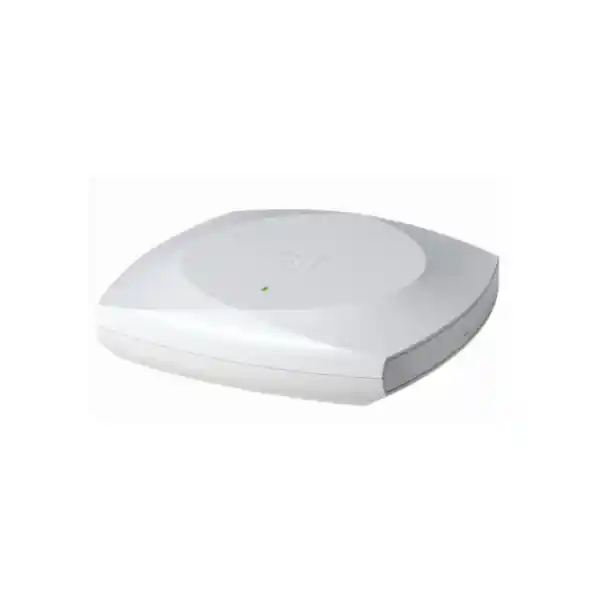
The Cisco Meraki CW9172I is a compact indoor wireless access point designed for enterprise and distributed-site connectivity. It combines configurable Wi-Fi 7 radios, an integrated antenna system, a multigigabit wired uplink and enterprise administration options. For procurement teams, its appeal is not simply a headline wireless rate: it offers a route to refresh branch wireless infrastructure while retaining structured policy, visibility and support processes.
The correct configuration depends on the operating country, management architecture, connected devices and available switching power. In Uganda, buyers should confirm the applicable regulatory domain and permitted spectrum before assuming that 6 GHz service can be enabled. A site survey and an entitlement review are essential parts of a defensible deployment proposal.
Procurement Fact Rail
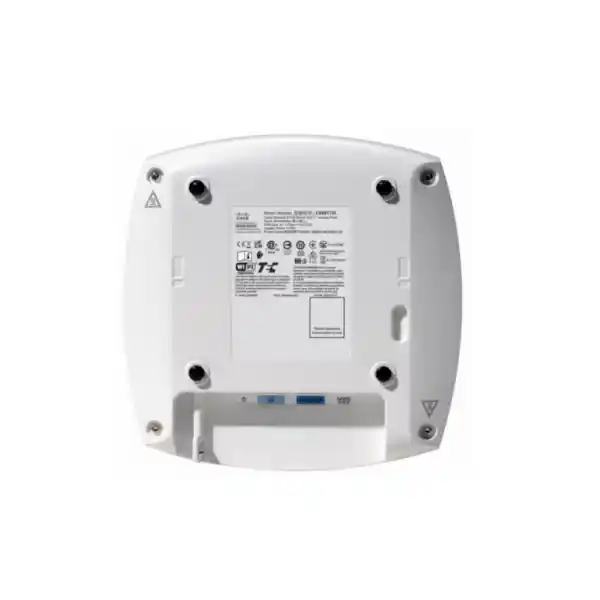
Model: CW9172I, indoor internal-antenna access point.
Wireless: Wi-Fi 7 with selectable tri-band or dual-band radio profile.
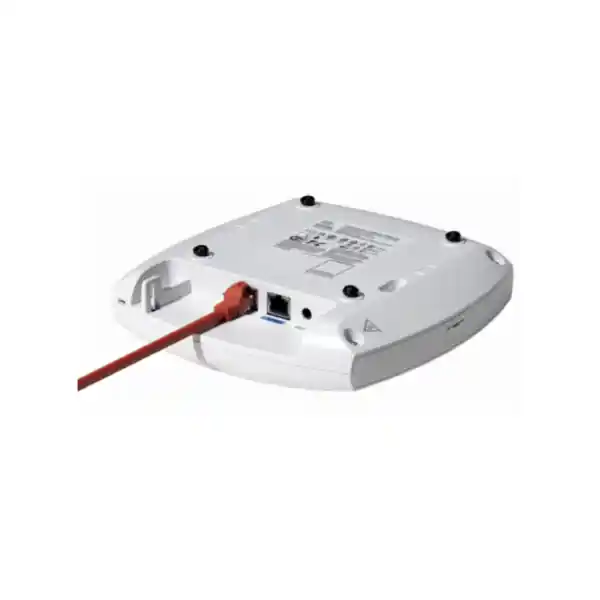
Wired uplink: One 100/1000/2.5G BASE-T RJ45 port.
Power: 802.3at PoE+ for full operation; optional separately purchased 54 V DC adapter.
Management: Supported Meraki cloud or Cisco controller management path; verify mode and licensing.
Quote status: Pricing, inventory, lead time and warranty to be confirmed in a formal offer.
Wireless Architecture and Operational Fit
The CW9172I has a software-configurable radio architecture. In tri-band mode, 2×2:2 radios serve 2.4 GHz, 5 GHz and 6 GHz clients concurrently. Where 6 GHz cannot be used or where a stronger 5 GHz profile is preferable, the dual-band configuration uses 2×2:2 at 2.4 GHz and 4×4:4 at 5 GHz. Cisco lists up to 9 Gbps aggregate wireless frame rate in tri-band mode; this is a theoretical combined radio figure, not a promise of application throughput or the capacity of the single 2.5 GbE uplink.
A dedicated scanning radio supports spectrum visibility and wireless intrusion monitoring, while integrated Bluetooth Low Energy functionality supports compatible location and beacon use cases. These functions are particularly useful when a small IT team operates several sites and requires a consistent method for investigating interference, rogue radios and client experience. Capabilities depend on software mode, configuration and the purchased service entitlement.
Wireless coverage is determined by building materials, ceiling heights, user density, channel planning, client capabilities and adjacent networks. A high nominal frame rate cannot compensate for poor placement or insufficient access point density. FourTeck recommends documenting floor plans, concurrent client counts, critical applications and uplink constraints before deciding how many units to purchase.
Business Outcomes
- Performance: Wi-Fi 7 features provide a platform for modern clients, but achievable throughput must be evaluated against real client capabilities, radio conditions and the 2.5 GbE wired interface.
- Reliability: Central visibility and a deliberate RF plan can reduce troubleshooting time; resilient switching, upstream connectivity and power remain separate design responsibilities.
- Scalability: Standardized access point configurations can simplify expansion across branches, subject to management licensing and platform limits.
- Security: Enterprise authentication, segmentation and wireless threat monitoring help support access policy; correct identity integration and regular policy review are still required.
- Operations: A selected Cisco management architecture can centralize configuration, monitoring and firmware processes.
- Cost control: Validate hardware, subscription, cabling, switching, mounting and replacement costs together instead of comparing access point purchase prices in isolation.
Hardware and Software Highlights
The internal omnidirectional antennas suit many indoor ceiling or wall installations. Cisco specifies peak antenna gains of 4 dBi at 2.4 GHz, 5 dBi at 5 GHz and 6 dBi at 6 GHz. The access point offers a USB 2.0 host interface with a 4.5 W budget, a DC input and a Kensington lock provision. Optional mounting components should be checked against the intended ceiling tile or wall surface.
Features include multi-link operation, supported WPA3 security modes, application-aware traffic shaping and dedicated RF scanning. Feature availability may vary by software release, management mode, regulatory configuration and client support. For sensitive installations, validate firmware and authentication interoperability in a pilot rather than relying on the standards label alone.
Technical Specifications
| Attribute | Published specification / procurement note |
|---|---|
| Wireless standard | 802.11be Wi-Fi 7; backward compatibility subject to band and client. |
| Radio configuration | Tri-band 2.4/5/6 GHz 2×2:2, or dual-band 2.4 GHz 2×2:2 plus 5 GHz 4×4:4. |
| Aggregate frame rate | Up to 9 Gbps tri-band; theoretical combined radio rate. |
| Ethernet | 1 × 100/1000/2.5G BASE-T RJ45. |
| USB | USB 2.0 host, 4.5 W budget. |
| Power | 802.3at PoE+ required for full operation; 802.3bt supported; optional 54 V DC adapter. |
| Maximum power requirement | 25.5 W stated for 802.3at operation; account for switch power budget and negotiation. |
| Dimensions | Approximately 200 × 200 × 53 mm. |
| Weight | Approximately 874 g. |
| Operating temperature | 0–50°C, with derating at elevated temperatures. |
| Operating humidity | 10–90% non-condensing per installation guide. |
| Mounting | Desktop, ceiling or wall with compatible hardware. |
| Management | Meraki cloud or supported Cisco controller environment, with mode-specific entitlements. |
Configuration and Sizing Worksheet
Step 1: Count concurrent devices by location and classify voice, video, transaction, guest and general office traffic. Step 2: Survey walls, ceilings and interference sources, then estimate access point locations and cable routes. Step 3: Confirm whether 6 GHz is permitted for the supplied regulatory variant; otherwise evaluate the dual-band configuration. Step 4: Audit each switch for 2.5 GbE compatibility, PoE+ allocation, total chassis power and LLDP/CDP negotiation. Step 5: Select the intended management platform and confirm license duration, renewal obligations and support coverage. Step 6: Prepare an itemized bill of materials covering brackets, injectors if needed, cable, subscriptions, installation and spare stock.
For budgeting, use a conservative access point count until a survey confirms the design. A pilot should validate roaming, application latency, authentication, guest isolation and realistic client throughput. Document baseline performance before introducing the remaining units.
Deployment Scenarios
Multi-site Enterprises
Regional offices can adopt a common wireless policy while tailoring radio settings to the local floor plan. Central oversight is useful when technical staff are not present at every branch. Maintain a documented procedure for loss of WAN connectivity and escalation.
Banking and Financial Services
Separate staff, guest and transaction devices through appropriate network segmentation and authentication. Security-sensitive environments should assess logs, access policy, controller placement and audit requirements before deployment.
Schools and Campuses
Lecture rooms, administration blocks and student facilities create different density patterns. Size for peak concurrent usage rather than enrollment totals, and consider high-capacity uplinks where local traffic aggregation justifies them.
Public-Sector Procurement
Government deployments may require detailed product identification, regulatory documentation, approved security configuration, lifecycle support and acceptance testing. Specify these deliverables in the tender and validate them with the supplier.
Three Technical Deep Dives
Radio Processing and Link Design
The selectable radio architecture is important because not every installation benefits from the same spectrum plan. In a location where 6 GHz is approved and modern clients are present, tri-band operation can add usable channels. In locations with many established 5 GHz clients, the dual-band 4×4:4 profile may be preferable. Neither choice should be made solely from a headline aggregate rate. Channel width, contention, transmit power and wired backhaul ultimately shape the user experience.
Firmware, Identity and Management
Plan the management environment before purchasing subscriptions. Cloud-managed and controller-managed architectures have different operational workflows. Verify supported firmware versions, licensing, monitoring, role-based administration, authentication services and guest policy integration. Schedule maintenance windows for changes and retain an approved configuration record.
Resilience and Recovery
The CW9172I has one wired Ethernet uplink, so access-layer resilience must be provided by the wider network design rather than by dual uplinks on the access point. UPS-backed switches, redundant upstream paths, configuration backups and replacement stock can reduce outage duration. Define how failed access points will be identified, replaced and re-enrolled in the chosen management system.
Pre-Purchase Questions Worth Resolving
Ask whether the quote includes the management entitlement, what happens at renewal, and whether the selected SKU is approved for the intended Ugandan deployment. Confirm the exact bracket supplied, the need for a separate PoE injector and whether the existing switch can deliver adequate negotiated power. Check whether the expected Wi-Fi 7 features are supported by current client hardware and the intended firmware. Clarify warranty start date, regional return procedure, advance replacement eligibility if offered and any exclusions. Finally, request written confirmation of lead time and the identity of every quoted line item.
Uganda Procurement and Delivery
FourTeck can receive a project inquiry and prepare a quotation request covering the CW9172I hardware, relevant accessories and services. Stock, pricing, delivery timing, applicable taxes and warranty are not assumed here and should be confirmed in the issued offer. Procurement teams in Kampala, Entebbe, Jinja, Mbarara and Gulu should provide their delivery address, quantity, desired management mode and required installation date. For rural and multi-site orders, coordinate phased dispatches and site readiness to avoid equipment arriving before cabling and power are prepared.
Cross-border sourcing may involve Uganda, Kenya, the UAE, Kuwait and other African markets. For regional contact routes, see FourTeck Uganda, FourTeck Kenya, FourTeck Africa, FourTeck UAE and FourTeck Kuwait. Import requirements, currency, tax and local regulatory approvals should be confirmed for the destination country.
Related Infrastructure and Service Scope
Ask FourTeck to quote compatible multigigabit PoE switching, access point mounting hardware, structured cabling, wireless survey assistance and management licensing. These are inquiry links, not assertions that a particular accessory is in stock. A complete project review may cover bill-of-materials validation, regulatory SKU confirmation, predeployment configuration planning, firmware coordination and post-installation support arrangements as agreed in the commercial proposal.
Technical FAQ
Does the CW9172I require a subscription?
The selected management architecture and its entitlement rules must be established before purchase. Request an itemized quote identifying license SKU, term, renewal treatment and support eligibility. Do not assume that the hardware-only price represents the total project cost.
Can the access point use 6 GHz in Uganda?
Six-gigahertz operation depends on local regulatory authorization, the exact regulatory variant and permitted firmware settings. Obtain written confirmation of the current requirements before designing a network that relies on 6 GHz coverage. The device also supports a dual-band configuration.
Will a standard gigabit switch work?
The Ethernet interface supports 100 Mbps, 1 Gbps and 2.5 Gbps links. A gigabit connection may operate, but it can constrain wired backhaul relative to the radio capabilities. Verify switch power delivery separately from data-link speed.
What PoE standard should be specified?
Cisco’s installation guide identifies 802.3at PoE+ for full operation and lists compatible power accessories. Verify available per-port power, switch-wide power capacity and LLDP/CDP negotiation. If a separate injector is required, include it explicitly in the bill of materials.
Is the CW9172I suitable outdoors?
This is an indoor access point. Its stated operating temperature and humidity limits should not be interpreted as weatherproof certification. For exposed, dusty or wet sites, request a purpose-built outdoor model and an environmental assessment.
Can older wireless devices connect?
The access point supports multiple generations of wireless protocols, but interoperability depends on client bands, security settings and enabled features. Test critical legacy scanners, handsets and specialist devices before retiring an existing wireless system.
Does it replace a wireless controller?
The answer depends on whether the deployment uses Meraki cloud management or a supported Cisco controller architecture. The CW9172I supports a choice of management modes; determine the operational model, license and migration requirements before procurement.
How many access points are needed?
There is no reliable universal square-meter count. The answer depends on construction materials, client density, RF noise, applications and acceptable signal thresholds. A predictive design followed by an on-site validation survey gives a stronger purchasing basis than a generic coverage claim.
What is covered by warranty?
Warranty eligibility, replacement timelines and local handling depend on the quoted commercial terms and applicable manufacturer programs. Request the exact warranty statement, serial-number traceability and return process in writing, particularly for distributed deployments.
Can FourTeck assist with deployment planning?
Submit floor plans, current switching models, site addresses, expected client loads and preferred management architecture with the inquiry. Ask for a scoped proposal that distinguishes equipment supply from survey, staging, configuration, installation and ongoing support services.
Build a Complete CW9172I Procurement Package
Request a written offer that identifies the regulatory hardware variant, subscription and support terms, PoE and mounting accessories, delivery location and commissioning responsibilities. A clearly scoped quote helps your technical and purchasing teams compare proposals on a like-for-like basis and reduces the risk of missing essential components.

Reviews
There are no reviews yet.