Yealink Product Availability Uganda – Business Communication & Collaboration Equipment
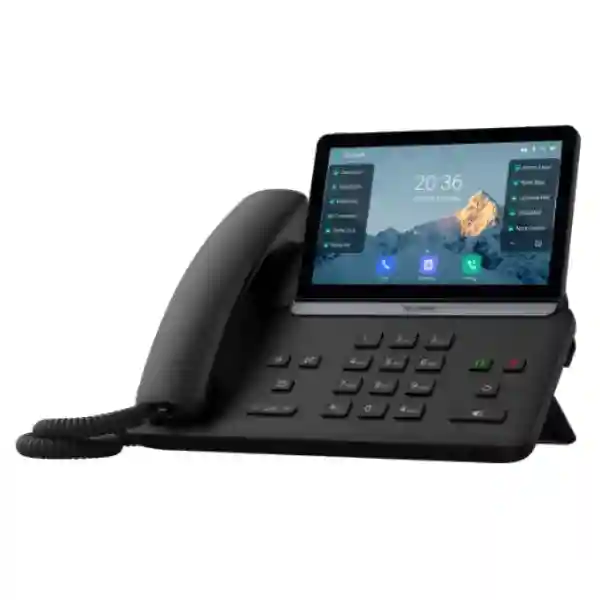
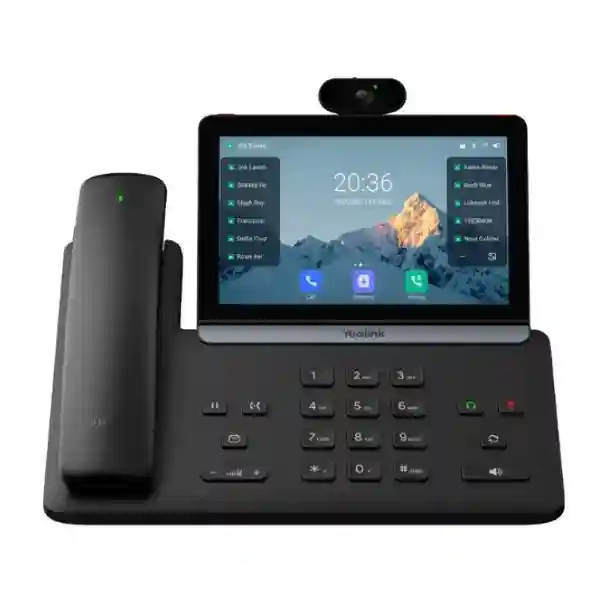
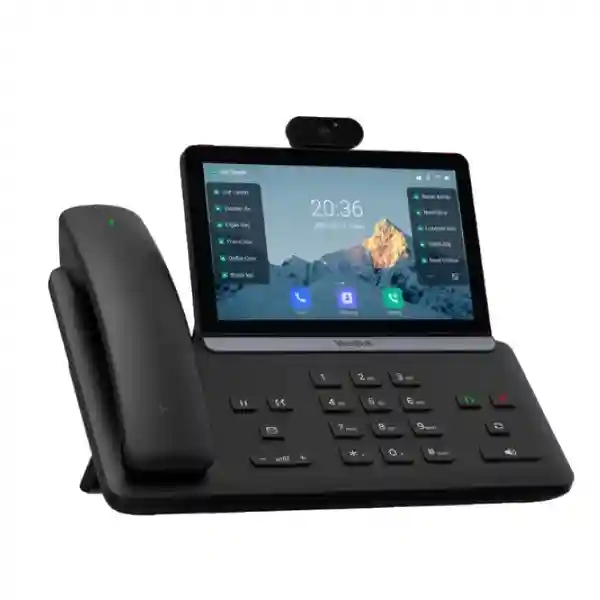
Yealink Product Availability Uganda is a procurement resource for organizations planning to source Yealink voice, video, meeting-room and personal collaboration equipment for deployment in Uganda. Yealink’s current portfolio includes SIP desk phones, DECT mobility systems, conference phones, Microsoft Teams and Zoom devices, business headsets, USB collaboration devices, room systems, management platforms and accessories. FourTeck supports buyers that need a practical route from model selection to quotation, compatibility validation, ordering and delivery.
Availability should always be treated as model-, quantity- and project-specific. Enterprise communication portfolios change over time, and some older Yealink models may move to end-of-sale or end-of-life status while newer generations become available. For that reason, a procurement request should identify the exact model where known, the required quantity, intended calling or collaboration platform, power method, accessory requirements and delivery destination. FourTeck can then prepare a commercial response aligned with the actual project rather than relying on a generic catalogue assumption.
This page is designed for IT managers, procurement teams, system integrators, resellers, hospitality operators, schools, financial institutions, government organizations and multi-site enterprises that need Yealink equipment in Uganda. Whether the requirement is a small batch of office phones or a broader unified communications rollout, the objective is the same: confirm the right hardware, avoid compatibility gaps and obtain a quote that reflects the complete deployment.
Procurement Fact Rail
SIP phones, DECT, conferencing, Teams/Zoom devices, headsets and accessories
SMB, enterprise, campus, hospitality, public sector and multi-site environments
Confirmed against requested model, quantity and order timing
Model and channel terms confirmed on quotation and order documentation
A complete quote should distinguish the core endpoint from optional or required accessories. Depending on the model, this may include power adapters, PoE infrastructure, expansion modules, wireless headset adapters, wall mounts, cameras, microphones, DECT repeaters or compatible cabling. For Teams and Zoom deployments, platform edition and tenant requirements should also be checked before purchase.
Yealink Portfolio Architecture and Operational Overview
Yealink’s business communications portfolio is structured around multiple endpoint and collaboration categories rather than a single product family. SIP desk phones serve conventional IP telephony environments and range from entry-level devices for common areas to higher-tier executive models. DECT products extend voice mobility for staff who need to move across offices, warehouses, hospitality properties, clinics or campuses. Conference phones address shared meeting spaces, while Microsoft Teams and Zoom devices bring platform-specific calling and room experiences to desks and meeting rooms. Headsets and USB devices support personal collaboration, and management platforms help administrators maintain larger fleets.
For procurement teams, the most important architectural question is not simply whether a device can make a call. It is whether the chosen model fits the organization’s call-control platform, network design, power method, security policy, user workflow and accessory ecosystem. A SIP phone may require registration details from an IP PBX or hosted voice provider. A Teams device may depend on the appropriate Microsoft environment and licensing. A Zoom device may be selected specifically for Zoom Phone or Zoom Rooms workflows. DECT designs require coverage planning, base-station placement and capacity assessment. Meeting-room systems require room-size, camera, microphone, display and cabling validation.
This is why model-level availability must be paired with solution-level validation. A phone that is physically available can still be the wrong purchase if its platform edition, network interface, wireless capability or accessory support does not match the project. FourTeck’s quotation process can incorporate these checks before the order is finalized, reducing the risk of incomplete bills of materials and avoidable replacement costs.
Enterprise Business Outcomes
1. Voice and Meeting Consistency
Standardizing endpoints across departments gives administrators a more predictable device environment and gives users familiar controls. Model selection should still reflect role, room type and platform requirements.
2. Reliability Planning
PoE design, switch capacity, network quality, firmware governance and spare-unit planning all influence service continuity. Hardware procurement should be aligned with the wider communications architecture.
3. Scalable Deployment
Organizations can mix desk phones, cordless systems, conference devices and room solutions while maintaining a coordinated vendor ecosystem across offices and user roles.
4. Security and Access Control
Firmware maintenance, credential handling, VLAN policy, certificate practices and administrative permissions should be defined before large-scale rollout.
5. Centralized Operations
Large fleets benefit from standardized provisioning, inventory records, controlled configuration templates and planned firmware maintenance rather than device-by-device administration.
6. Lifecycle and Cost Control
Choosing current-generation products, matching accessories correctly and confirming lifecycle status can reduce rework, stranded accessories and unplanned replacement cycles.
Key Hardware and Software Highlights
The Yealink range covers different hardware profiles. Current desk-phone families can include color displays, multiple SIP account support, Gigabit Ethernet, PoE on selected models, USB expansion, Bluetooth or Wi-Fi on selected variants, headset connectivity and expansion-module support. DECT systems combine base stations or multi-cell infrastructure with cordless handsets, while conference products focus on shared-room audio pickup and speaker coverage. Meeting devices add cameras, touch controllers, room audio and platform integration. Exact capabilities differ by model and must be confirmed from the relevant datasheet before purchase.
Software and management considerations are equally important. Endpoint firmware, provisioning methods, platform certification, supported codecs, directory integration, security controls and management services can differ across product generations. A procurement list should therefore use exact model numbers rather than broad descriptions such as “Yealink executive phone” or “Yealink conference phone.” Exact identification makes it possible to validate technical fit and quote the correct accessories.
Technical Specification Ledger
| Category | Typical Selection Point | Procurement Validation |
|---|---|---|
| SIP Desk Phones | User role, lines/accounts, display, Ethernet, PoE, Wi-Fi/Bluetooth | PBX/provider compatibility, power supply, headset and expansion needs |
| DECT | Coverage, concurrent calls, handset type, roaming | Site survey, base capacity, repeater/multi-cell design |
| Conference Phones | Room size, microphone coverage, connectivity | Platform registration, expansion microphone and network requirements |
| Teams / Zoom Devices | Platform, user/room role, screen and room size | Tenant, license, certification, room peripherals and cabling |
| Headsets | Wired, Bluetooth or DECT; wearing style; call controls | Endpoint/PC compatibility, adapter or dongle requirements |
| Accessories | Power, mounts, modules, cameras, microphones, adapters | Exact host model and hardware revision compatibility |
Configuration and Sizing Worksheet
Step 1 – Count users and spaces. Separate ordinary desk users, reception staff, executives, mobile workers, meeting rooms and common areas. Each profile may need a different endpoint class. Step 2 – Identify the communications platform. State whether the environment uses SIP/IP PBX, hosted voice, Microsoft Teams, Zoom or another supported service. Step 3 – Confirm network and power. Record switch port availability, PoE capability, VLAN design, wireless requirements and any sites where local power adapters are necessary. Step 4 – List accessories. Include headsets, expansion modules, wall mounts, microphones, cameras, power supplies and spare units. Step 5 – Define lifecycle expectations. For larger rollouts, prioritize current product generations and ask for lifecycle confirmation. Step 6 – Prepare the quote request. Provide model, quantity, destination, target deployment date and any required services.
Deployment Scenarios in Uganda
Large enterprise and multi-site networks: standardized desk phones can be combined with conference devices and headsets across headquarters and branches. Central provisioning and consistent network policy simplify operations. Financial institutions: branch and office deployments may prioritize controlled configurations, secure administrative access, reliable wired connectivity and standardized replacement stock. Education and campuses: DECT mobility, office phones, reception endpoints and meeting-room equipment can be planned around building coverage and user density. Government and public sector: procurement often requires clear bills of materials, lifecycle documentation, warranty terms, delivery records and configuration consistency across departments.
Technical Deep Dive: Endpoint Processing and Media
Business communication endpoints process signaling, audio media, user-interface activity, network traffic and security functions continuously. The practical requirement is stable call handling and responsive operation under the intended workload. Exact processor, memory and media specifications vary by model, so selection should focus on supported features and validated platform behavior rather than assuming that every Yealink device has the same internal architecture. Higher-tier phones and room systems typically support richer interfaces and more complex collaboration workflows than entry-level endpoints.
Technical Deep Dive: Firmware and Operational Control
Firmware governance should be part of the deployment plan. Organizations should maintain approved firmware versions, protect administrative credentials, document provisioning sources and schedule updates in a controlled manner. For platform-certified devices, compatibility guidance from the relevant platform and manufacturer should be reviewed before major updates. Large estates benefit from repeatable templates and staged testing so that configuration changes can be verified on a limited device set before broad rollout.
Technical Deep Dive: Availability and Continuity
Endpoint resilience depends on more than the handset itself. Network switches, PoE capacity, WAN links, call-control services, DNS, DHCP and upstream power all contribute to service availability. Procurement teams can improve continuity by standardizing models, holding an appropriate number of spare endpoints, documenting replacement procedures and ensuring that configurations can be restored quickly. Multi-site organizations should also define how branch communications behave during WAN disruption and whether local survivability is provided by the wider voice platform.
Pre-Purchase Buyer Checklist
Before placing an order, confirm whether the quoted item is the exact hardware edition required, whether a power adapter is included or separately required, whether PoE is supported, whether Wi-Fi or Bluetooth is integrated or optional, whether the chosen headset requires an adapter, and whether any expansion module is compatible with the specific phone model. For DECT, confirm base-station capacity and coverage design. For meeting rooms, verify camera field of view, microphone coverage, display connections, mounting requirements and cable routes. For Teams and Zoom products, confirm platform licensing and tenant readiness separately from hardware cost. Ask whether the requested product is current, end-of-sale or end-of-life, and request a recommended successor where necessary.
Physical deployment details matter. Desk depth, wall mounting, cable routing, rack or cabinet switch capacity and electrical protection can all affect installation. In locations with unstable utility power, the network and PoE infrastructure should be protected appropriately because phones powered by PoE depend on upstream switch power. Where local adapters are used, outlet availability and plug format should be confirmed. These details are inexpensive to verify before ordering and costly to discover during rollout.
Uganda Procurement and Delivery Logistics
For Uganda projects, FourTeck can prepare quotations based on exact model numbers and quantities, or help refine a requirement where the buyer starts with user roles and room types. The commercial process can include bill-of-materials review, accessory matching, lifecycle checks, delivery planning and technical clarification before purchase. Lead times depend on the specific product, quantity and supply position at the time of quotation, so buyers with fixed deployment dates should submit requirements early.
Coverage can support projects in Kampala, Entebbe, Jinja, Mbarara and Gulu as well as other destinations in Uganda. Delivery planning should account for project schedule, receiving contacts, site readiness and whether equipment needs staging before dispatch. For larger rollouts, phased delivery can be discussed so deployment teams receive equipment in manageable batches aligned with site implementation.
Regional Supply Support
Organizations operating across borders can coordinate sourcing through FourTeck regional channels. Visit FourTeck Uganda, FourTeck Kenya, FourTeck Africa, FourTeck UAE and FourTeck Kuwait for regional project coordination. Cross-border requirements should identify the destination country, quantity, deployment date and any local commercial or logistics constraints at quotation stage.
Related Yealink Product Families
Common procurement requests include Yealink T3, T4, T5, T7 and T8 series desk phones; W-series DECT systems; CP-series conference phones; Microsoft Teams and Zoom endpoints; business headsets; and phone accessories. Buyers can use the Uganda contact page to request exact models and compatible options. For deployments that combine phones with switching, wireless networking, UPS protection or structured cabling, include those requirements in the same project brief so the infrastructure can be reviewed as a complete solution.
FourTeck Technical Service Capabilities
FourTeck can support engineering validation before shipment by checking model numbers, quantities and accessory relationships against the intended deployment. Bill-of-materials verification is especially useful for mixed estates containing desk phones, cordless devices, meeting-room systems and headsets. Where applicable, staging can include basic inventory preparation, firmware planning and configuration coordination. Post-sales support can assist with product identification, warranty process guidance and technical escalation based on the supplied equipment and agreed service scope.
Frequently Asked Questions
1. Which Yealink products are available in Uganda?
The Yealink portfolio includes SIP phones, DECT systems, conference phones, Microsoft Teams and Zoom devices, headsets, room systems, management tools and accessories. Actual stock and lead time vary by exact model and quantity. Submit the required part numbers and quantities for a current quotation. If you do not yet have exact models, provide the user roles, calling platform and room requirements so suitable current products can be identified.
2. Can FourTeck quote Yealink SIP phones for an existing IP PBX?
Yes, but compatibility should be checked against the specific PBX or hosted voice service before purchase. Provide the platform name and version where possible, along with required features such as BLF keys, multiple SIP accounts, PoE, Wi-Fi, Bluetooth or expansion modules. This helps ensure the selected phone fits both the technical environment and the user’s workflow.
3. Are Yealink power adapters included?
Inclusion varies by product and package. Many enterprise deployments use Power over Ethernet, while some sites require local adapters. The quote should explicitly identify whether an adapter is included, optional or unnecessary. Buyers should also confirm switch PoE capacity and cabling quality before assuming that every endpoint can be powered from the network.
4. How do I choose between SIP, Teams and Zoom phones?
Choose according to the communications platform and user workflow. SIP phones are commonly used with IP PBX and hosted SIP services. Teams and Zoom editions are designed around their respective collaboration environments. The hardware purchase does not replace any platform subscription or user licensing that may be required. Confirm tenant readiness and licensing with the platform administrator before ordering.
5. Can older Yealink models still be supplied?
Some older models may remain available through channel inventory, while others may have reached end-of-sale or end-of-life status. Long-term projects should normally evaluate the current replacement model rather than building a new deployment around obsolete hardware. Provide the legacy model number and FourTeck can review whether the request should be quoted as specified or mapped to a current alternative.
6. What information is needed for a DECT quotation?
Provide the number of users, site layout, approximate coverage area, building characteristics, expected concurrent calls and whether users must roam between coverage zones. Small offices may use a simpler base-and-handset arrangement, while larger campuses may require multi-cell planning. Rugged handsets, repeaters, chargers and spare batteries should also be included where operational conditions require them.
7. Can Yealink headsets be matched to existing desk phones?
Yes, subject to model compatibility. Headset selection should consider the phone model, connection type, call-control requirements, wired versus wireless preference and wearing style. Some combinations require an electronic hook switch adapter or USB connection. Supplying the exact phone model avoids ordering a headset that provides audio but lacks the expected remote call-control functions.
8. What warranty applies to Yealink products?
Warranty coverage depends on the product family, sales channel, region and applicable manufacturer or distributor terms. The relevant warranty basis should be confirmed on the quotation and order documentation. Keep serial numbers, invoices and delivery records because these are commonly required for warranty handling. Physical damage, unsupported modifications or issues outside manufacturer terms may not be covered.
9. Can equipment be prepared before delivery?
Pre-shipment preparation can be discussed for project orders. The exact scope depends on the device type and deployment plan and may include inventory labeling, firmware coordination, configuration planning or staging support. For large rollouts, provide the desired configuration standard and acceptance process early so the service scope can be defined before equipment is dispatched.
10. How do I request a Yealink quote in Uganda?
Send the model numbers, quantities, delivery location and target date through the FourTeck Uganda contact page. If the requirement is still being designed, include the communications platform, number of users, room types, power method and accessory needs. This allows the quotation to address the complete deployment rather than only the primary endpoint hardware.
Request Current Yealink Availability for Uganda
Send your Yealink model list, quantities, platform details and delivery destination for a project-specific quotation. FourTeck can help validate current models, compatible accessories and practical deployment requirements before purchase.

Reviews
There are no reviews yet.